Hey there! I'm a supplier of the CAT 320GC Excavator. As someone who deals with these machines on a daily basis, I know how important it is to keep them in top - notch condition. In this blog, I'll share some tips on how to perform daily maintenance on the CAT 320GC Excavator.
Pre - start Checks
Before you even fire up the engine, there are a few things you gotta check. First off, take a good look at the exterior of the excavator. Check for any visible damage to the tracks, boom, and bucket. Look for cracks, dents, or loose parts. If you spot anything suspicious, it's best to address it right away.
Next, check the fluid levels. This includes the engine oil, coolant, hydraulic fluid, and fuel. Low fluid levels can cause serious problems down the line, so it's crucial to keep them topped up. For the engine oil, use the dipstick to check the level. Make sure it's within the recommended range. The coolant level should be checked in the radiator or coolant reservoir. And don't forget to check the hydraulic fluid level in the hydraulic tank.
Inspect the air filter too. A clogged air filter can reduce engine performance and increase fuel consumption. If it looks dirty, it might be time to clean or replace it.
During Operation Checks
Once you've started the excavator, keep an eye on the gauges and warning lights on the dashboard. The temperature gauge, oil pressure gauge, and hydraulic pressure gauge are all important. If any of these gauges show abnormal readings, or if a warning light comes on, stop the machine immediately and investigate the issue.
Listen to the engine and other components while the excavator is running. Any strange noises, like knocking, rattling, or hissing, could indicate a problem. For example, a knocking sound from the engine might mean there's an issue with the pistons or bearings.
Check the tracks for proper tension. Loose tracks can cause premature wear and reduce the excavator's stability. You can use a track tension gauge to measure the tension. If the tracks are too loose or too tight, adjust them according to the manufacturer's instructions.
Post - operation Checks
After you've finished using the excavator, it's time for some more checks. First, let the engine cool down for a few minutes before shutting it off completely. This helps prevent heat - related damage to the engine.
Inspect the undercarriage. Look for any signs of wear on the track rollers, idlers, and sprockets. Check for any debris or mud that might have accumulated between the tracks and the undercarriage components. Cleaning this debris can prevent corrosion and extend the life of these parts.
Check the hydraulic hoses for leaks. A hydraulic leak can not only cause a loss of hydraulic fluid but also pose a safety hazard. Look for any signs of fluid on the hoses or around the connections. If you find a leak, replace the damaged hose as soon as possible.
Also, take a moment to clean the excavator. Use a pressure washer to remove dirt, mud, and other debris from the machine. This not only keeps the excavator looking good but also helps prevent corrosion.
Specific Component Maintenance
Engine Maintenance
The engine is the heart of the excavator, so it needs special attention. Regularly change the engine oil and oil filter according to the manufacturer's recommended schedule. A fresh oil change helps keep the engine lubricated and reduces wear on the internal components.
Replace the fuel filter at the recommended intervals. A clogged fuel filter can restrict fuel flow to the engine, leading to poor performance and reduced fuel efficiency.
Hydraulic System Maintenance
The hydraulic system is responsible for powering the boom, arm, and bucket. To keep it in good condition, change the hydraulic oil and filter regularly. Contaminated hydraulic oil can cause damage to the hydraulic pumps, valves, and cylinders.
Inspect the hydraulic cylinders for leaks and damage. The seals on the cylinders can wear out over time, leading to leaks. If you notice any leaks, replace the seals promptly.
Electrical System Maintenance
Check the battery regularly. Make sure the terminals are clean and tight. Corroded terminals can prevent the battery from charging properly. You can clean the terminals with a wire brush and a mixture of baking soda and water.
Inspect the wiring harnesses for any signs of damage or wear. Loose or damaged wires can cause electrical problems, such as malfunctioning lights or sensors.
Comparing with Other CAT Excavators
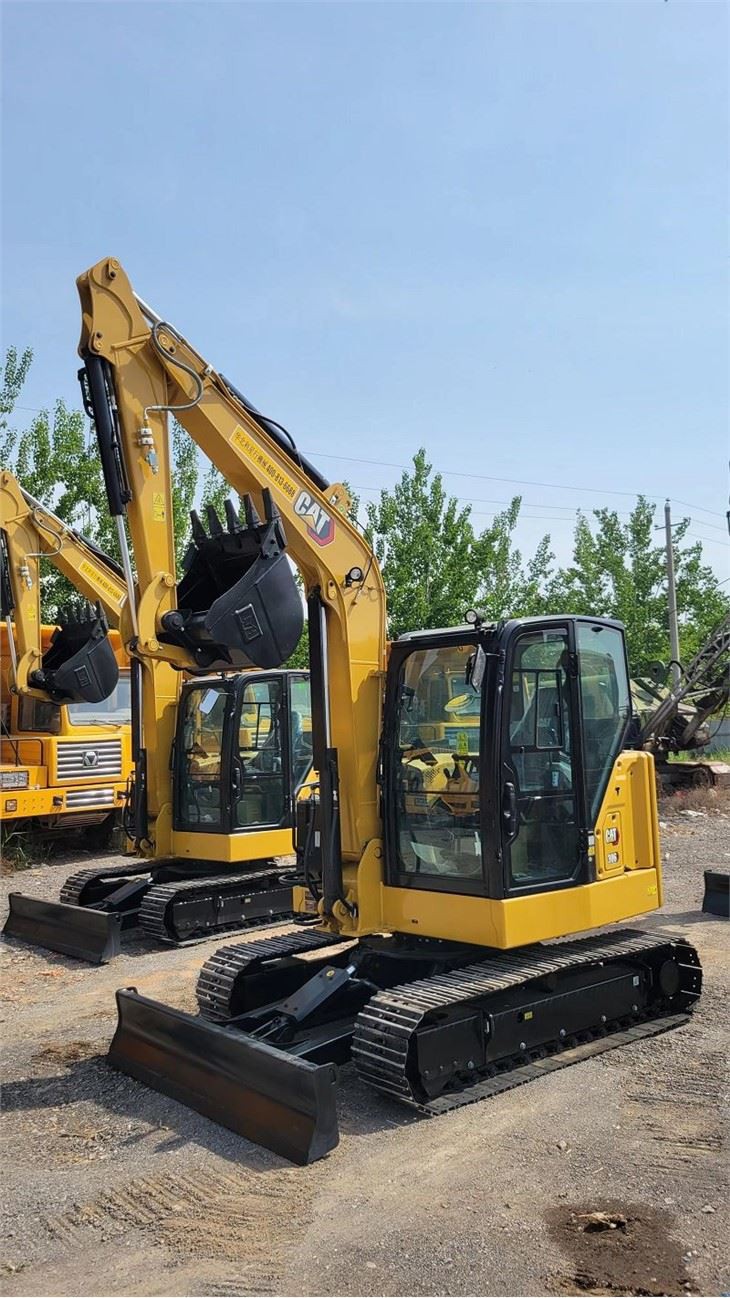
If you're considering other CAT excavators, like the CAT 306 Excavator, CAT 303.5ECR Excavator, or CAT 313GC Excavator, the basic maintenance principles are similar. However, each model may have some specific requirements based on its size, power, and intended use. For example, smaller excavators like the CAT 303.5ECR Excavator may have different fluid capacities and maintenance intervals compared to the larger CAT 320GC Excavator.

Why Maintenance Matters
Proper daily maintenance of the CAT 320GC Excavator has many benefits. It can extend the lifespan of the machine, reduce the risk of breakdowns, and improve its performance. A well - maintained excavator is also more fuel - efficient, which can save you money in the long run.
Contact for Purchase and Consultation
If you're interested in purchasing a CAT 320GC Excavator or need more information about maintenance, don't hesitate to reach out. We're here to help you make the best decision for your construction needs. Whether you're a small contractor or a large construction company, we've got the expertise to assist you.
References
- Caterpillar Inc. CAT 320GC Excavator Operator's Manual.
- Industry standards for excavator maintenance and safety.